Source Double Screw Plastic Color Masterbatch for Injection Molding
Find 30 double screw plastic color masterbatch options for injection molding, extrusion, and blown film applications. Compare customizable carrier types like PP, PE, and ABS, along with features such as high fluidity and excellent dispersibility from verified Chinese manufacturers; compare the available evidence and request quotations based on your requirements.
Key considerations
Products List




Comprehensive Sourcing Guide
Double Screw Plastic Color Masterbatch Sourcing Guide
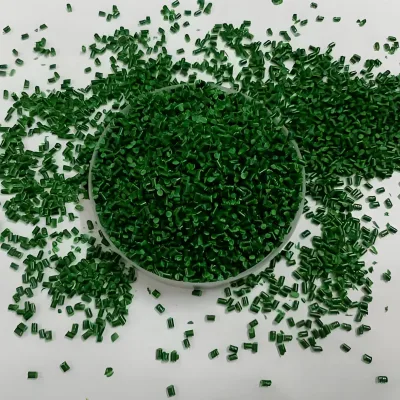
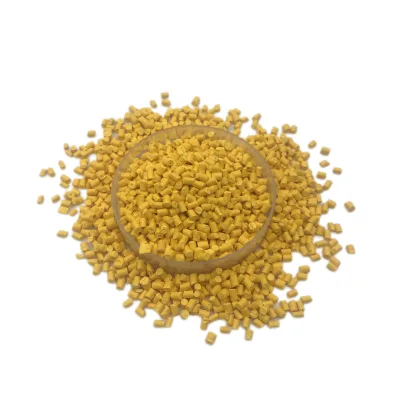
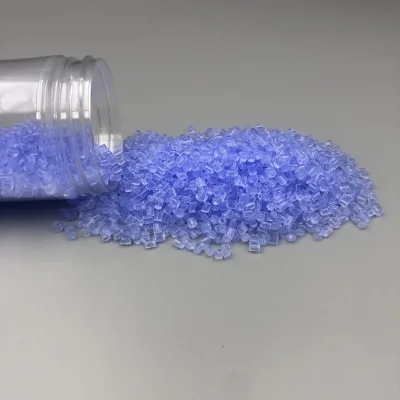
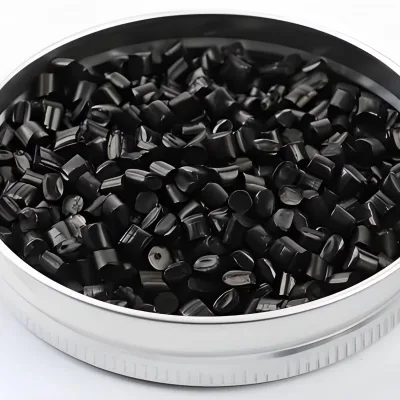
Sourcing high-performance color masterbatch for double screw extrusion requires a precise understanding of material compatibility and processing dynamics. Buyers must align the carrier resin with their base polymer to ensure uniform dispersion and prevent phase separation during high-shear mixing. The observed market offers granular products with customizable colors, ranging from standard black and white to specific industrial shades, catering to diverse manufacturing needs.
Procurement decisions should prioritize fluidity and dispersibility, as these attributes directly impact production efficiency and final product aesthetics. Suppliers often highlight features such as high crystallinity, wear resistance, and low-temperature stability, which are critical for maintaining consistency in demanding applications. Understanding these technical nuances helps buyers select the right grade, whether for injection molding, blown film, or extrusion processes, ensuring optimal performance in the final assembly.
Product Scope and Observed Listing Signals
The current market landscape for color masterbatch includes a wide variety of grades designed for specific processing methods. Listings frequently mention applications such as automotive parts, optical components, pipe systems, and medical-grade materials, indicating a broad utility across industries. The observed product range encompasses carriers like PP, PE, ABS, PET, PS, and EVA, allowing buyers to match the masterbatch to their specific substrate requirements without compromising structural integrity.
Observed listing signals reveal a strong emphasis on customization and consistency. Products are often described as having high concentration and excellent stability, with dispersibility rated as easy to facilitate rapid processing. The presence of certifications like ISO9001, SGS, and RoHS in listings suggests that many suppliers adhere to recognized quality management and environmental standards. Buyers should verify these claims against their specific regulatory requirements, particularly for food-grade or medical applications where compliance is non-negotiable.
Technical Specifications to Verify
Verifying the carrier resin compatibility is the most critical technical step in sourcing color masterbatch. The material must be chemically similar to the base polymer to ensure proper melting and mixing during the double screw extrusion process. Buyers should confirm whether the product is designed for injection molding, blown film, extrusion, or rotational molding, as each process imposes different shear and thermal stresses on the material. Mismatched carriers can lead to poor color distribution, surface defects, or reduced mechanical properties in the final product.
Additional technical parameters to verify include the recommended usage rate, which typically ranges from 0.5% to 70% depending on the desired color depth and concentration. High-flow grades are essential for complex geometries, while toughened or high-impact grades may be necessary for structural components. Buyers should also assess the granule shape and size, as these factors influence feeding consistency and melting uniformity in the extruder. Ensuring these specifications align with production equipment capabilities prevents operational bottlenecks and material waste.
Compliance and Safety Documentation
Compliance documentation is essential for ensuring that color masterbatch meets regulatory standards for safety and environmental impact. Certifications such as ISO9001, CE, and RoHS indicate adherence to quality management and restriction of hazardous substances directives. For products intended for food contact or medical use, additional verification of food-grade compliance and biocompatibility is required. Buyers must request current certificates from accredited bodies to validate the supplier’s claims and ensure legal market access.
Safety data sheets (SDS) should be reviewed to understand handling precautions and potential hazards associated with the raw materials. Although color masterbatch is generally stable, understanding its thermal stability and decomposition products is crucial for worker safety and equipment maintenance. Buyers should also verify that the supplier provides transparent information about the chemical composition, particularly regarding pigments and additives, to avoid unintended interactions with the base polymer or downstream recycling processes.
Cost Drivers and Commercial Terms
Cost drivers for color masterbatch include the type and concentration of pigments, the carrier resin quality, and the complexity of the formulation. High-performance pigments and specialized additives, such as those providing UV resistance or anti-static properties, significantly increase the unit price. Buyers should evaluate the total cost of ownership, considering factors like usage rate and processing efficiency, rather than focusing solely on the per-kilogram price. A higher-priced masterbatch with better dispersion may yield lower overall production costs due to reduced scrap and faster cycle times.
Commercial terms such as MOQ, packaging, and lead times also influence procurement strategy. Standard packaging is often 25kg per bag, but custom packaging options may be available for large-volume orders. Buyers should negotiate clear terms regarding payment, shipping, and quality guarantees to mitigate supply chain risks. Understanding the supplier’s production capacity and inventory levels can help in planning for peak demand periods and avoiding production delays due to material shortages.
Supplier Qualification and Quality Control
Supplier qualification involves assessing their manufacturing capabilities, quality control systems, and track record in the industry. Buyers should verify that the supplier has experience in producing masterbatch for double screw extrusion and can provide consistent product quality across batches. Requesting samples for trial runs is a practical way to evaluate dispersibility, color strength, and compatibility with existing production lines. Suppliers with robust QC processes, including in-line monitoring and final product testing, are more likely to deliver reliable performance.
Quality control checks should include regular audits of the supplier’s production facilities and review of their batch-to-batch consistency data. Buyers should establish clear acceptance criteria for color deviation, particle size distribution, and moisture content. Building a long-term relationship with a qualified supplier ensures access to technical support and rapid resolution of any quality issues. Regular communication and feedback loops help maintain high standards and foster continuous improvement in the supplied materials.
Long-Term Procurement Checks
Long-term procurement success depends on continuous monitoring of supplier performance and market trends. Buyers should periodically review supplier certifications, quality reports, and customer feedback to ensure ongoing compliance and reliability. Tracking changes in raw material prices and supply chain dynamics can help in anticipating cost fluctuations and adjusting procurement strategies accordingly. Maintaining a diversified supplier base reduces dependency on a single source and enhances supply chain resilience against disruptions.
Regularly updating technical specifications and requirements ensures that the sourced masterbatch remains aligned with evolving product designs and regulatory standards. Buyers should also explore opportunities for innovation, such as sustainable or bio-based masterbatch options, to meet growing environmental demands. Establishing key performance indicators (KPIs) for quality, delivery, and service helps in objectively evaluating supplier contributions and driving continuous improvement in the procurement process.
FAQs
What carrier materials are available for this masterbatch?
The product supports multiple carrier materials including PP, PE, ABS, PET, PS, LDPE, HDPE, and EVA. These options allow customization for specific processing needs like injection molding or extrusion while ensuring compatibility with various plastic raw material granules.
Which certifications does the manufacturer hold for this product?
The manufacturer holds ISO9001, SGS, ROHS, CE, and ISO certifications. These credentials verify that the production processes meet international quality and safety standards for industrial raw materials used in automotive parts and medical grade applications.
How is the product packaged for shipment?
Each unit is packed in 25kg bags, often using PE woven bags or heavy packaging. The single package size measures 10x5x5 cm with a gross weight of 1.000 kg, ensuring safe transport for small granule color masterbatch shipments.
Can the color be customized for specific orders?
Yes, the color is fully customizable to meet specific buyer requirements. The product offers a wide range of options including black and white, with fluidity advantages suitable for diverse applications like fibers, profiles, and home appliance components.
What is the typical usage concentration for this masterbatch?
The recommended usage concentration ranges from 0.5% to 70% depending on the specific application. This flexibility allows for high concentration needs in some processes while maintaining excellent dispersibility and stability in others like blown film or injection molding.
Where is this product manufactured and shipped from?
The product originates from Anhui, China, and is shipped from this location. It is produced by the brand Belief and is available as a single item with customizable features for various industrial raw material needs.